
Compression socks have become increasingly popular among runners, triathletes, and endurance athletes, and not just because they look the part. From improved circulation to reduced muscle soreness, these socks provide real physiological benefits, helping athletes train harder, recover quicker, and stay injury-free.
Here we break down why compression works, how it supports performance, and which injuries it can assist with during recovery.
What Are Compression Socks?
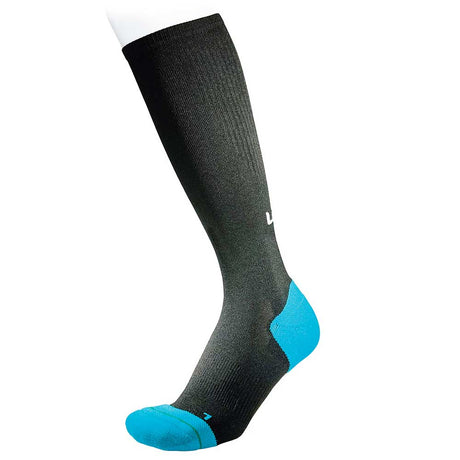
Compression socks are specially designed garments that apply graduated pressure to the lower legs. The tightest part is around the ankle, gradually loosening higher up the calf. This graduated pressure encourages blood flow, helping the veins return blood back towards the heart.
Compression running & recovery socks are widely used in medical settings for conditions like varicose veins, circulation issues, and DVT (deep vein thrombosis). However, athletes often rely on them to enhance recovery and boost leg comfort during and after exercise.
Why Athletes Use Compression Socks
Here are 4 reasons for athletes to turn to compression socks for support:
1. Better Circulation During and After Exercise
Running places heavy demand on the calf muscles. Compression helps maintain healthy blood flow even during long runs or intense workouts, supporting better oxygen delivery and reducing the build-up of metabolic waste.
2. Reduced Muscle Vibration
Each foot strike sends shock through the lower leg, causing the muscles to oscillate. Compression stabilises the calf and surrounding soft tissue, minimising excess movement. As a result, this may reduce micro-tears and overall muscle fatigue.
3. Faster Post-Run Recovery
Research shows that compression garments can reduce muscle soreness (DOMS) and swelling. By improving venous return, they help clear lactate and other waste products more efficiently, meaning athletes feel fresher sooner after hard sessions or races.
4. Consistency in Training
For many runners, it’s not one big injury that derails progress. It’s the accumulation of small niggles. Compression helps manage tightness, swelling, and post-run heaviness in the calf muscles, allowing you recover and to get back to training sooner.
Which Injuries Can Compression Socks Help With?
While they aren’t a replacement for proper rehab, compression socks can assist with recovery and symptom management for several common running injuries:
Calf Strains or Tight Calves
Compression reduces load on the muscle and limits vibration, helping support healing while reducing discomfort.
Shin Splints (Medial Tibial Stress Syndrome)
By improving circulation and stabilising the lower leg, compression can ease stress on the shin and help reduce pain during recovery.
Achilles Tendon Irritation
Supporting the calf–Achilles complex helps reduce strain on the tendon, especially during long runs or hill sessions.
Plantar Fasciitis
While not a direct treatment, compression helps by reducing lower-leg swelling and promoting better circulation to the foot.
General Post-Run Swelling
Long-distance runners often develop ankle or lower-leg swelling after hard efforts. Compression helps prevent blood pooling and encourages faster fluid movement.
Delayed Onset Muscle Soreness (DOMS)
Studies show reduced muscle soreness and lower levels of muscle-damage markers when compression is used during recovery.
Varicose Veins or Venous Insufficiency
Athletes with venous issues often benefit from the enhanced blood-flow support that graduated compression provides.
Do Compression Socks Improve Performance?
The research on performance enhancement is mixed. Some studies show small improvements in running economy and reduced muscle oscillation, while others find minimal impact on actual race times.
The clear and consistent benefit is in recovery, not raw speed. However, many athletes report:
- Better leg feel during long runs
- Less fatigue late in races
- More comfort on back-to-back training days
Even if performance gains are subtle, the improved muscle stability and reduced soreness often make compression socks worth it for many runners.
How to Use Compression Socks Effectively
Use support or performance compression when running for:
- Long runs
- Tempo sessions
- Hilly routes
- Races
These help stabilise the calf and maintain circulation under load.
Use recovery compression socks after running for:
- Immediate post-run wear
- Travel after a race
- Rest days
- Days when legs feel heavy, swollen, or fatigued
Most athletes wear them for 1–4 hours post-run, though some prefer longer.
Are There Any Risks?
Compression is safe for most people, but athletes with underlying circulatory or nerve conditions should speak to a clinician first. Proper sizing is essential. It they are too tight they will feel uncomfortable, while too loose won’t give any proper benefit.
FAQs
How tight should compression socks feel?
- Snug but not painful. You should feel firm pressure around the ankle tapering upwards.
Can I sleep in recovery socks?
- Light recovery compression is usually fine, but high-grade medical compression normally isn’t recommended for sleep unless advised by a clinician.
What’s the difference between sleeves and socks?
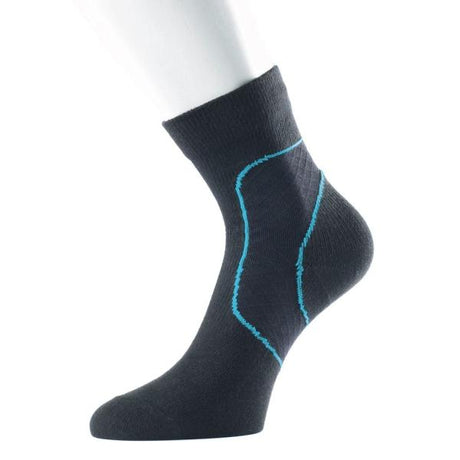
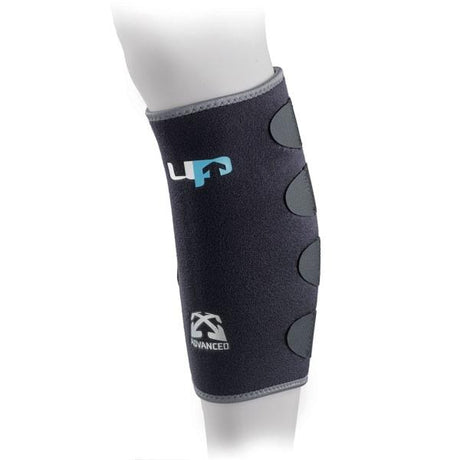
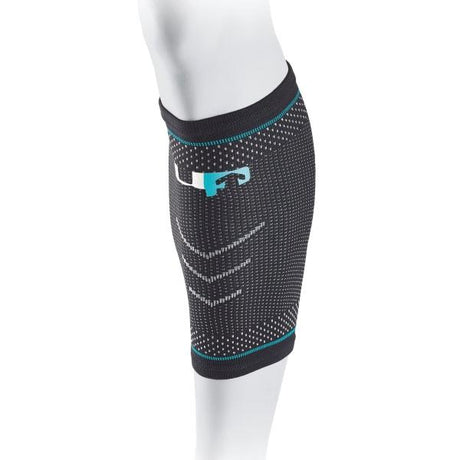
- Sleeves support the calf only, while socks also support the foot and help prevent swelling.
Are they good for marathon runners?
- Yes — especially for managing fatigue during long efforts and speeding recovery afterwards.
Final Thoughts
Compression support and recovery socks offer real benefits to athletes: enhanced circulation, reduced muscle strain, faster recovery, and helpful support for common running injuries. While they won’t replace strength training or proper rehab, they’re a valuable addition to any runner’s toolkit, especially for those clocking high mileage or managing lower-leg niggles.